1. Hard surfaces
Tile, sealed wood, glass and metal are cleaned and disinfected first because they are the easiest to restore.
Farmington, IL · Fulton County
What do you do after police clear a homicide scene in Farmington? Call (877) 812-4220. Professional cleaners take over to remove blood, treat porous materials and make the space safe again.
If anyone is in danger, call 911 first. For a suicide crisis, call or text 988.
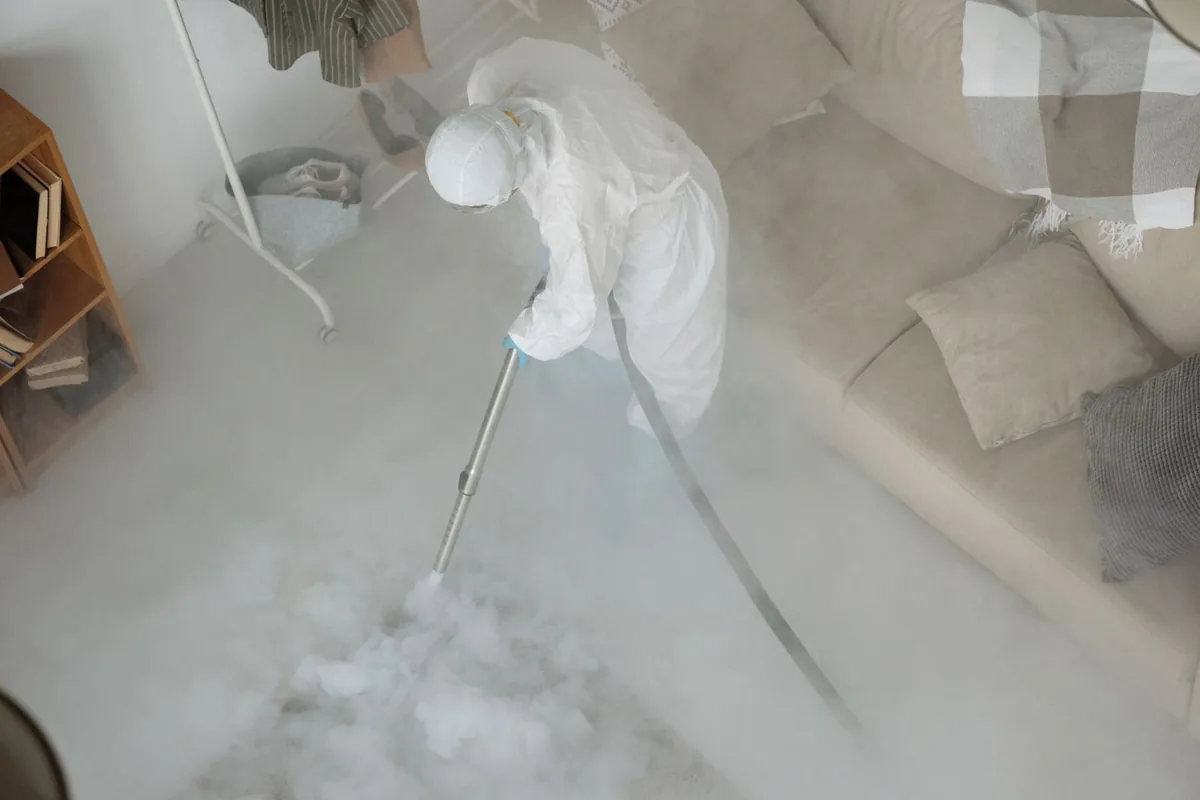
To clean up homicide scenes means to remove contaminated materials, disinfect everything fluids touched and eliminate odor. The work follows safety rules for bloodborne pathogens and is done discreetly.
If your home, apartment, rental, business or vehicle in Farmington or anywhere in Fulton County needs cleaning after a homicide, call Farmington Biohazard Cleanup Help. Work starts only once the scene is released, and every detail stays private.
About 13% of housing in Fulton County is vacant, so owners living elsewhere can get homicide cleanup set up by phone through a key holder. About 80% of homes in Farmington were built before 1980, and older carpet, subfloor and wood trim absorb fluids deeply.
Homicide Cleanup in Farmington usually includes:
Tile, sealed wood, glass and metal are cleaned and disinfected first because they are the easiest to restore.
Crews place barriers and protective sheeting and bring in the supplies they need for containment.
Everything contaminated is sealed, labeled and hauled under medical waste rules, never put in regular trash.
A final inspection and a clear set of records finish the job, so the owner can move forward.
Homicide cleanup in Farmington, IL typically costs $2,000 to $10,000, depending on the size of the affected area and the materials involved.
Porous materials such as mattresses, upholstery and drywall add labor and disposal costs, because each one is removed and hauled as medical waste.
| Type of job | Typical range |
|---|---|
| Smaller scene | $2,000 - $6,000 |
| Larger scene | $3,000 - $10,000 |
| Violent crime scene | $2,500 - $9,000 |
Estimates only, not a quote. Sources: Crime scene cleanup cost guide from a biohazard cleanup company, BioCleaners Directory. Price drivers include size of the scene, how deep fluids reached, number of rooms, waste disposal. Call (877) 812-4220 to talk through the job.
Many homeowners policies cover crime or death cleanup after the deductible, though some exclude certain cases. Renters policies often cover cleanup but not the building. Call your insurer before work starts and ask what applies.
Yes. Landlords and property managers often get cleanup done to make a unit safe for the next tenant. Crews contain the work so other units are not affected. Lease terms decide who pays.
Yes. Dried blood can still carry bloodborne pathogens, and wiping or scraping can release particles. Crews wear protective equipment and use hospital-grade disinfectants to make the area safe.
It includes blood cleanup, removal of soaked carpet, padding and drywall, disinfection, handling of debris and residue, and odor removal. Crews also sort personal property and document the work.
It should be left to professionals. Blood and body fluids carry bloodborne pathogens and often soak deeper than they look. A crew contains the area, removes contaminated materials, disinfects and treats odor.
Yes, when the source is removed. Odor often comes from materials fluids soaked into, so crews take those out, then clean and deodorize the space. The air is filtered to finish the job.
Compassionate help from the first call to the final inspection.
Call (877) 812-4220